Climate Tech Fellows Showcase: Advancing Innovation & Collaborating for Impact
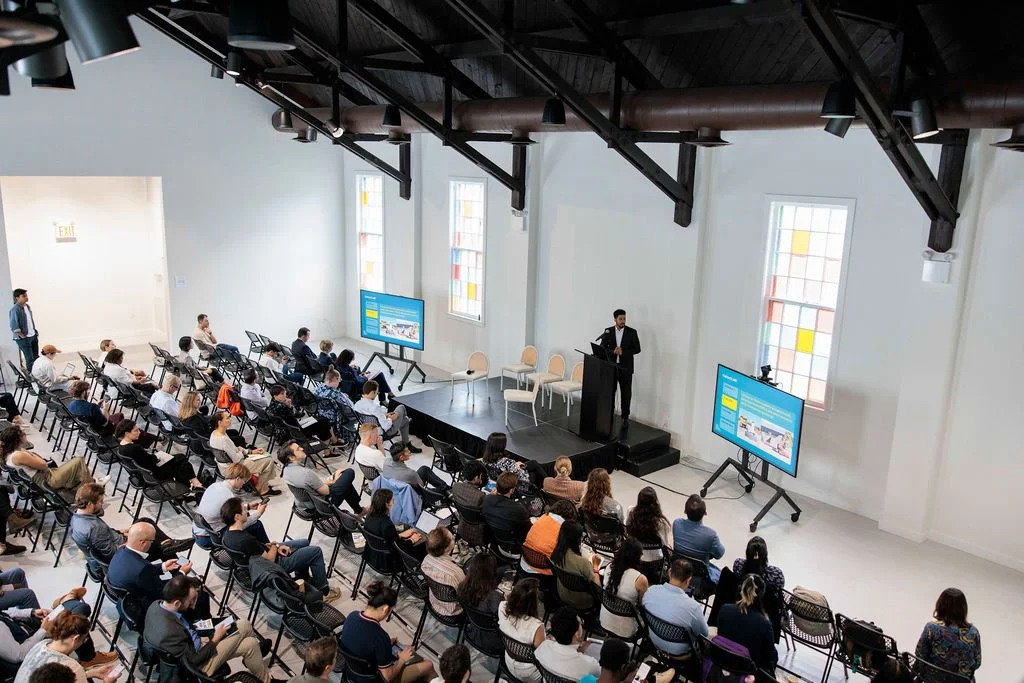
A Climate Tech Fellow presenting their solution at Climate Week 2025
In February 2026, The New York Climate Exchange wrapped up our inaugural cohort of the Climate Tech Fellowship closed with a virtual showcase — a chance for the eight fellows to present their work, reflect on the past six months, and share what comes next.
The fellowship recruited early-stage innovators from The Exchange’s university partner network and supported them across three focus areas: urban and coastal resilience, climate data, and energy and decarbonization. The resulting cohort hailed from Georgia Tech, Duke, NYU, CUNY, and Stony Brook University. Over the course of the program, fellows received one-on-one mentorship, completed structured modules on commercialization and customer discovery, and forged connections to investors, legal advisors, and potential partners.
The virtual showcase in February marked the end of the program, drawing investors, researchers, scientists, and organizations across the tech ecosystem. The program opened with a conversation with Jesse Lou, Co-Founder and CEO of Recursion Works, underscoring the role of techno-economic analysis (TEA) as part of a climate founder’s toolkit and an essential means to establish and validate economic feasibility for scientific research. Then, each fellow highlighted progress made on their innovation during the fellowship. The program ended with virtual breakout rooms that facilitated conversation and networking between fellows and attendees.
Setting the stage: The feasibility and viability of technical research
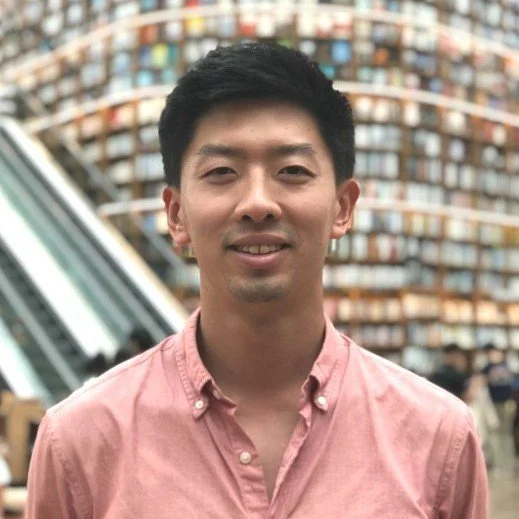
Jesse’s core point was simple: having a breakthrough technology is not the same as having a viable business. TEA is a tool that forces that reality into the open by mapping out costs, potential revenues, and competitive positioning before the market does it for you.
“Ignoring uncertainty doesn’t remove risk — it hides it.” — Jesse Lou, Recursion Works
He also spoke about the TEA Commons, an open-source initiative Recursion Works is building to make technoeconomic modeling tools and data accessible to scientific founders worldwide, scaling an intensive one-on-one coaching model to a broader population of scientific entrepreneurs focused on commercialization.
He left the fellows and attendees with a call to action: if you don’t yet know where you land on cost, start. Put it on paper. The number will be rough — that’s fine. The point is to begin.
What the fellows shared about the fellowship
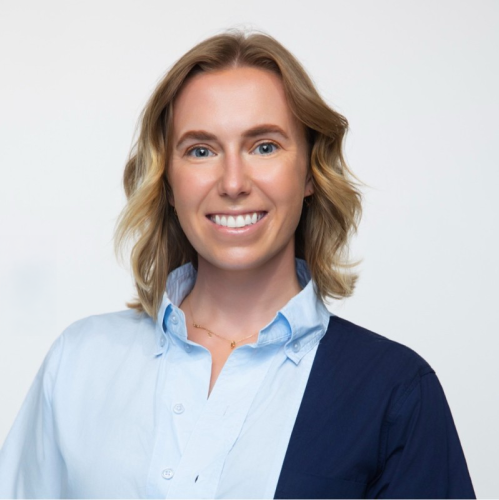
Shannon Parker | ReefCycle — Duke University
ReefCycle develops low-carbon bio-cement for coral restoration, coastal infrastructure, and the built environment.
“We received incredible one-on-one mentorship through The Exchange to develop a clearer communication target for our pitch deck and materials going forward. The fellowship was invaluable in connecting us to folks that not only got our process and technology, but were prepared to [help us] move forward with our second patent application.”
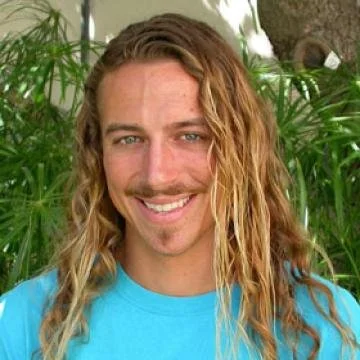
Ty Roach | Wholome Arks — Duke University & San Diego State University
Wholome Arks is a novel midwater reef technology combining science and scale to revolutionize coral restoration and build climate resilience for coastal communities.
“Going to Climate Week and giving my first-ever pitch on Arks there felt like a success — the moment I walked off the stage, I was approached by investors, one of them being NYU’s impact investment fund. Since then, we’ve been selected as finalists for that fund and nominated for several other impact investment competitions.”
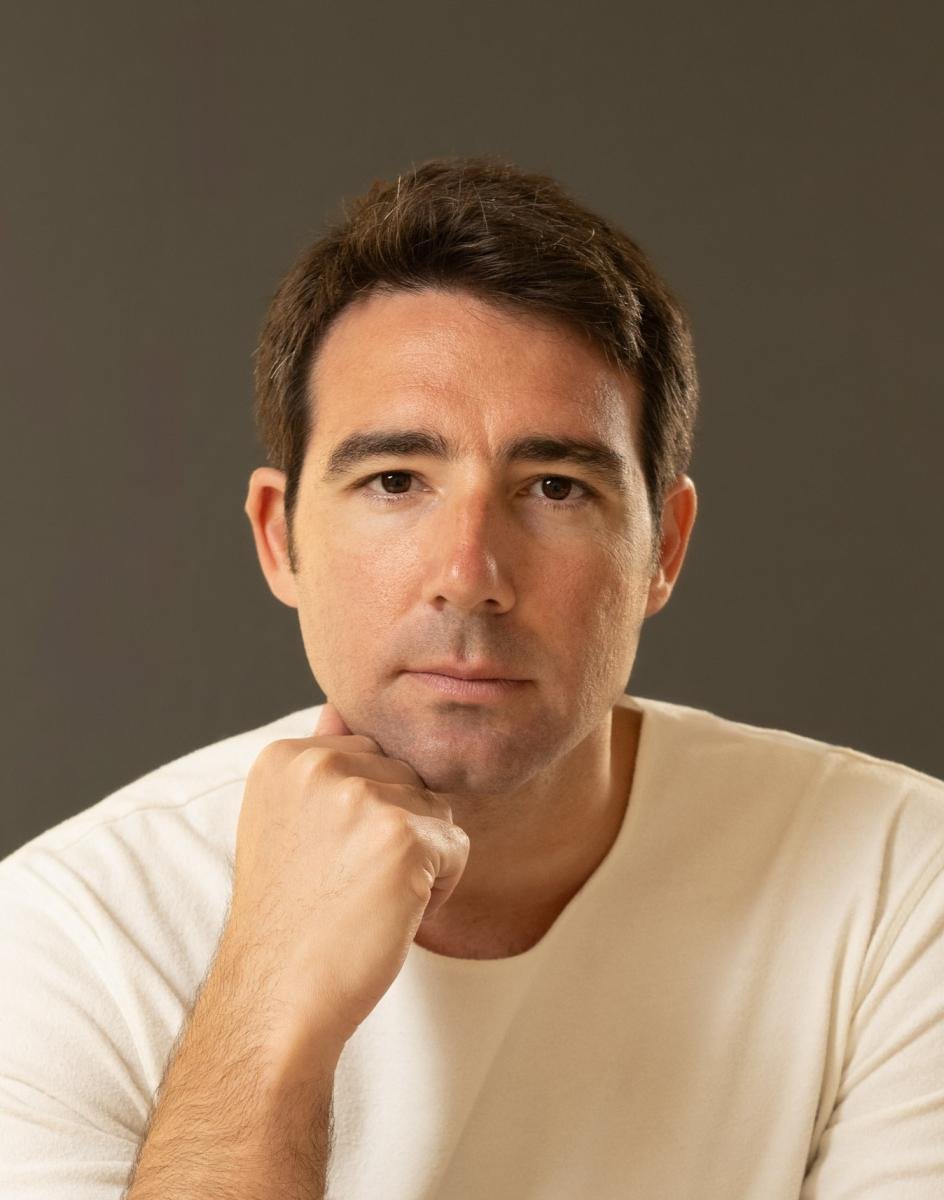
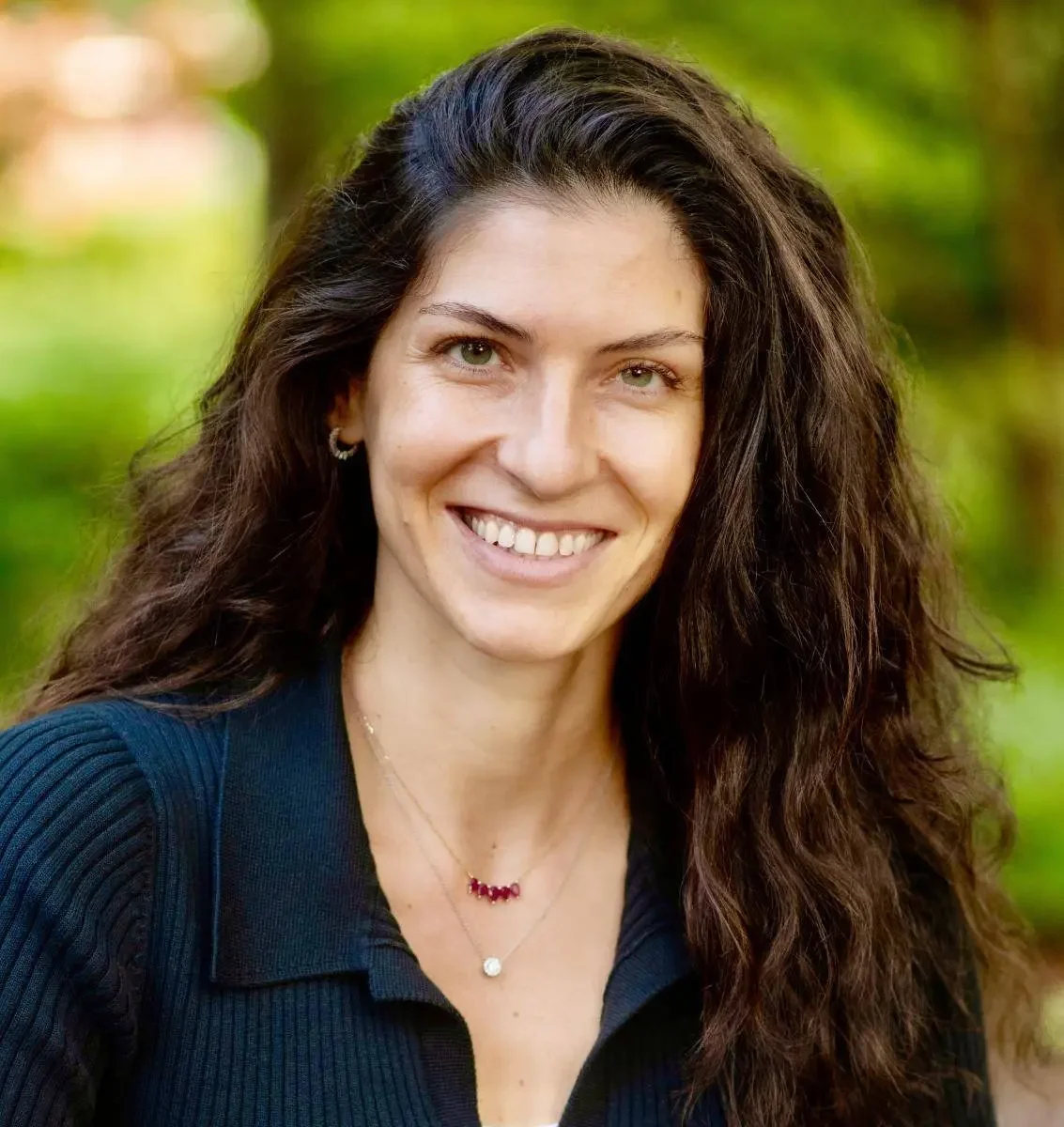
Patricia Stathatou & Christos Athanasiou | Georgia Tech
Yeast-enabled removal of micropollutants from water to provide safe, clean water following disasters.
“Through the fellowship, we gained clarity on the practical steps required to move our technology from lab to market. We learned that we can build early momentum — including hiring support — without having secured funding first. We got invaluable mentorship and connections and help to develop a roadmap to go forward.”
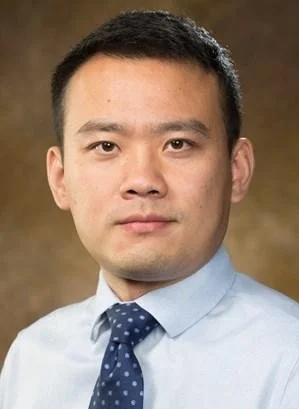
Xiao Liu | Georgia Tech
Leveraging data and AI for real-time wildfire management.
“This is one of the most special and rewarding experiences in my career so far. The trainings kept me motivated, made me think about what I’m doing, and forced me to make adjustments and reprioritize. It’s a privilege to get to know so many brilliant minds who share common goals.”
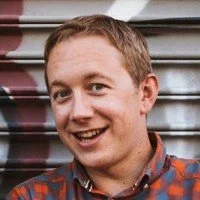
Charlie Mydlarz | FloodNet — NYU
FloodNet develops tools for real-time, actionable flood monitoring to support community-scale resilience in urban neighborhoods.
“The fellowship allowed us to define our business model to potential clients. We’ve created a pitch deck that clearly communicates our solution’s value, and we’re now engaging in much more serious conversations with municipalities outside of New York City.”
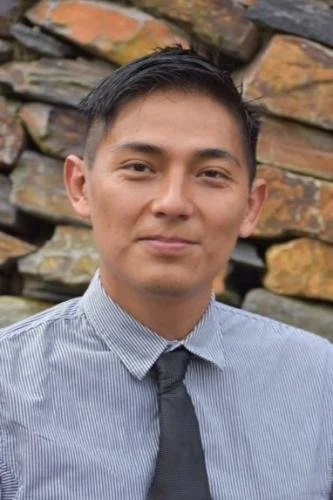
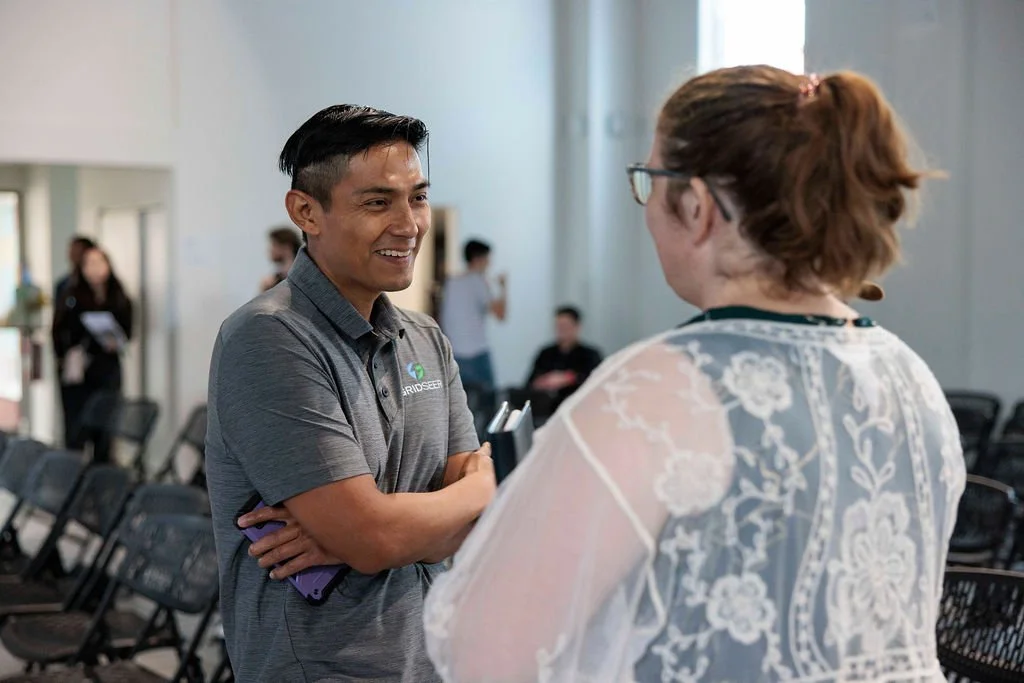
Mauricio Hernandez | GridSeer — Duke University
GridSeer delivers an AI-driven software and analytics platform that enhances reliability, improves sustainability, and cuts costs for energy providers and large-scale users.
“The fellowship helped us refine market segmentation; pursue an additional pilot through the networks we built, apply systematic customer discovery methods, and sharpen our value proposition.”
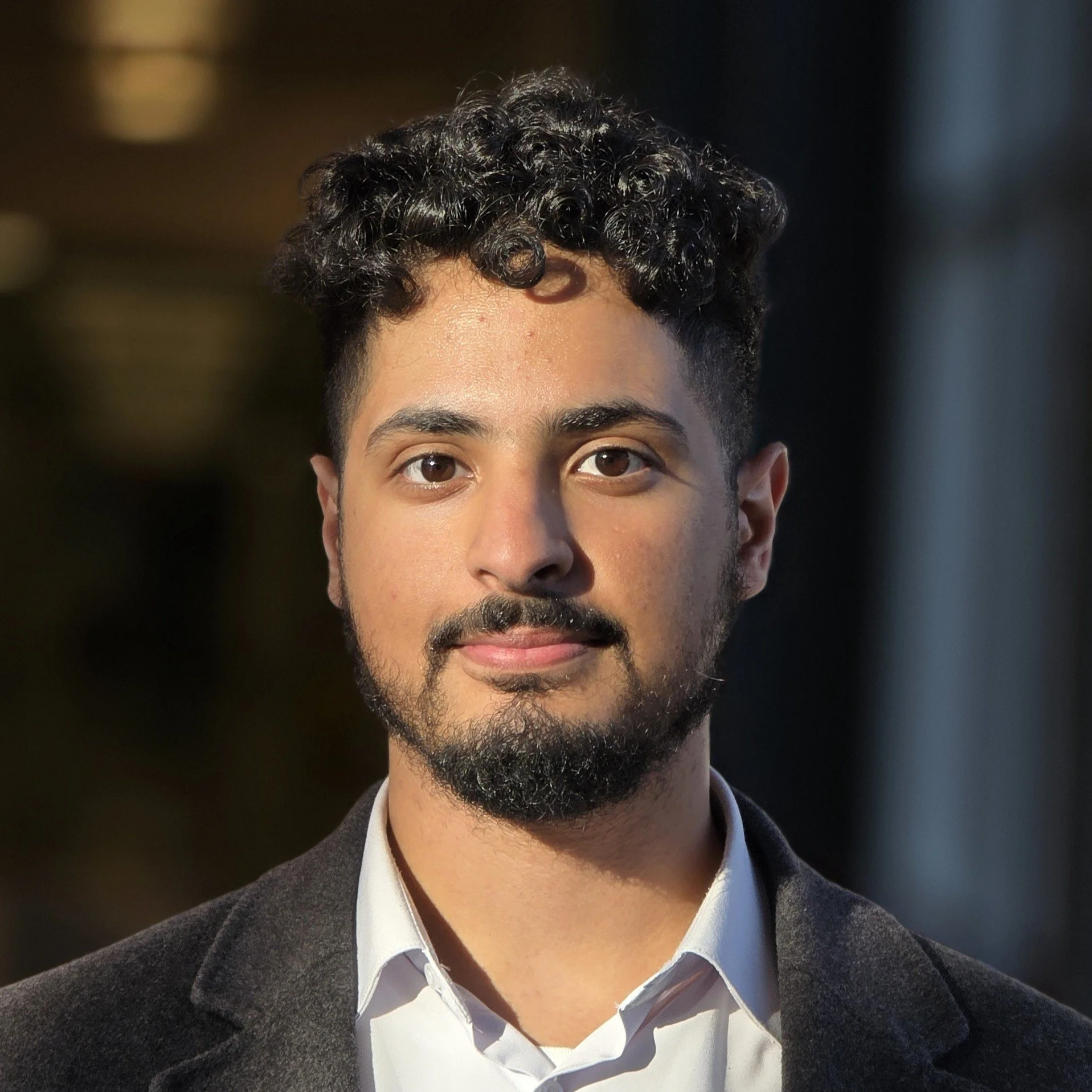
Fares Al-Lahabi | CarbonCLAIR — CUNY
CarbonCLAIR offers on-site air filtration to construction sites, providing cleaner air for cities and in-situ carbon capture capabilities.
“The fellowship experience has been great. I learned a lot through the structured approach of the coursework and integration of different experts. One thank you is to Shanbor, our mentor — our meetings were very dynamic because of the deployment with DEP [The Department of Environmental Protection]. I also want to thank Jamil Wyne, Claire Rampen, and Ash Seth for their virtual modules.”
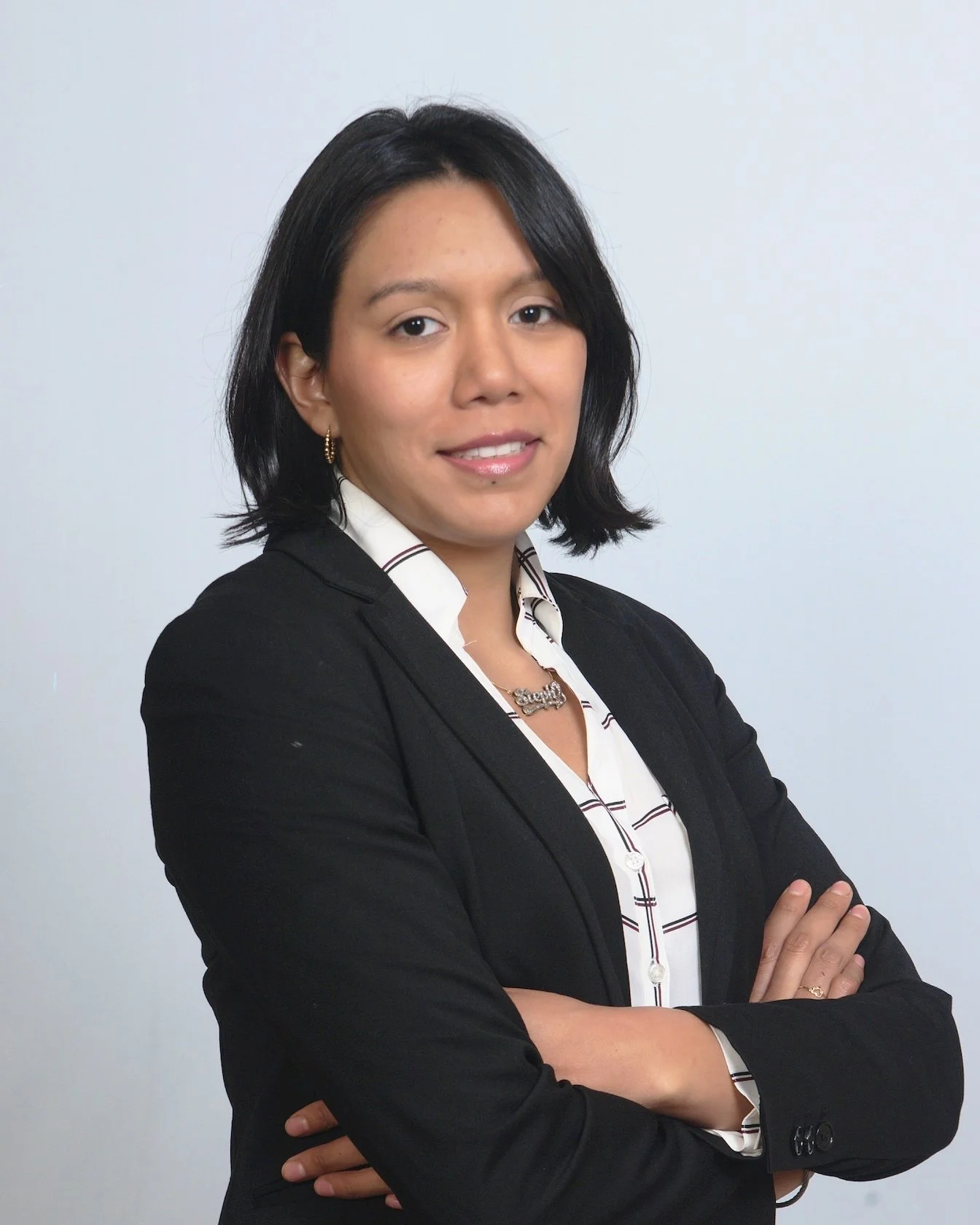
Stephanie Taboada | HySep — Stony Brook University
HySep is developing safe, scalable hydrogen storage to unlock the green hydrogen economy using existing gas pipelines.
“I was able to go through another round of customer discovery and talk to data centers about where hydrogen stands for backup storage. Climate Week was a huge part of the fellowship for me — I was able to network with stakeholders, founders, and investors.”
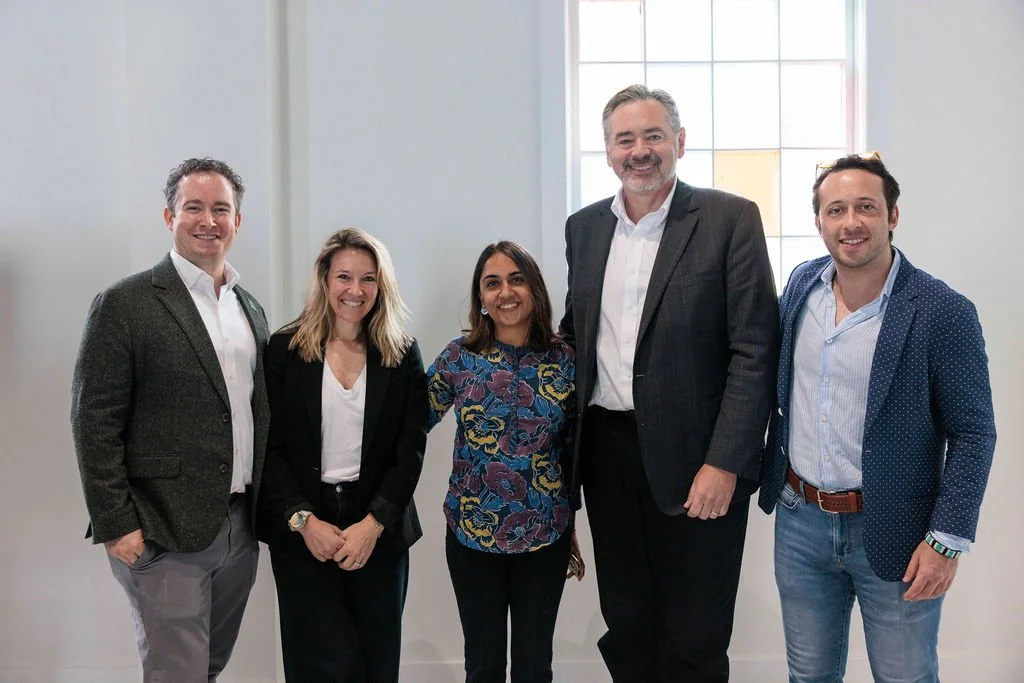
The mentors behind the Fellowship
A defining element of the fellowship was access to a carefully assembled mentor network — nine formal mentors and a broader ecosystem of informal advisors, each bringing distinct expertise to support fellows at critical inflection points.
Among the formal mentors, Shanbor Gupta (Investment Manager, Clean Energy Ventures) was cited by multiple fellows for providing dynamic, deployment-focused guidance. Claire Rampen (Principal Consultant, First Matter) contributed deep go-to-market expertise for novel technologies. Justin Brodie-Kommit (Founding General Partner, Lichen Ventures) brought a hard-tech investor lens to help fellows sharpen their commercial strategies.
Other mentors including Hendrik Tiesinga (Founder & CEO, Climate Edge), Logan Grizzel (Head of Innovation, Welltower), Aly Rose (Director of Ocean Strategy, Millbor Foundation), and Anay Shah (Co-founder, Stepchange Ventures) collectively represent decades of experience spanning climate finance, venture capital, ocean innovation, and startup scaling, perspectives that can be difficult to access within research oriented academic networks.
What’s next?
The showcase marked the capstone for the inaugural climate tech fellow cohort. Several fellows are actively raising seed rounds or pursuing non-dilutive funding opportunities. Others are scaling pilots, filing patents, or preparing commercial partnerships.
For The Exchange, the lessons of this cohort will directly shape future cohorts of the Fellowship. A second cohort, which will be focused on the intersection of energy and urban resilience, is anticipated to open applications late spring 2026 and begin over the summer. Early interest can be registered through The Exchange’s newsletter and LinkedIn. If the inaugural cohort is any indication, the next chapter of climate innovation will be built not just in laboratories, but in the hands of founders willing to ask hard questions, take honest feedback, and keep moving forward.